
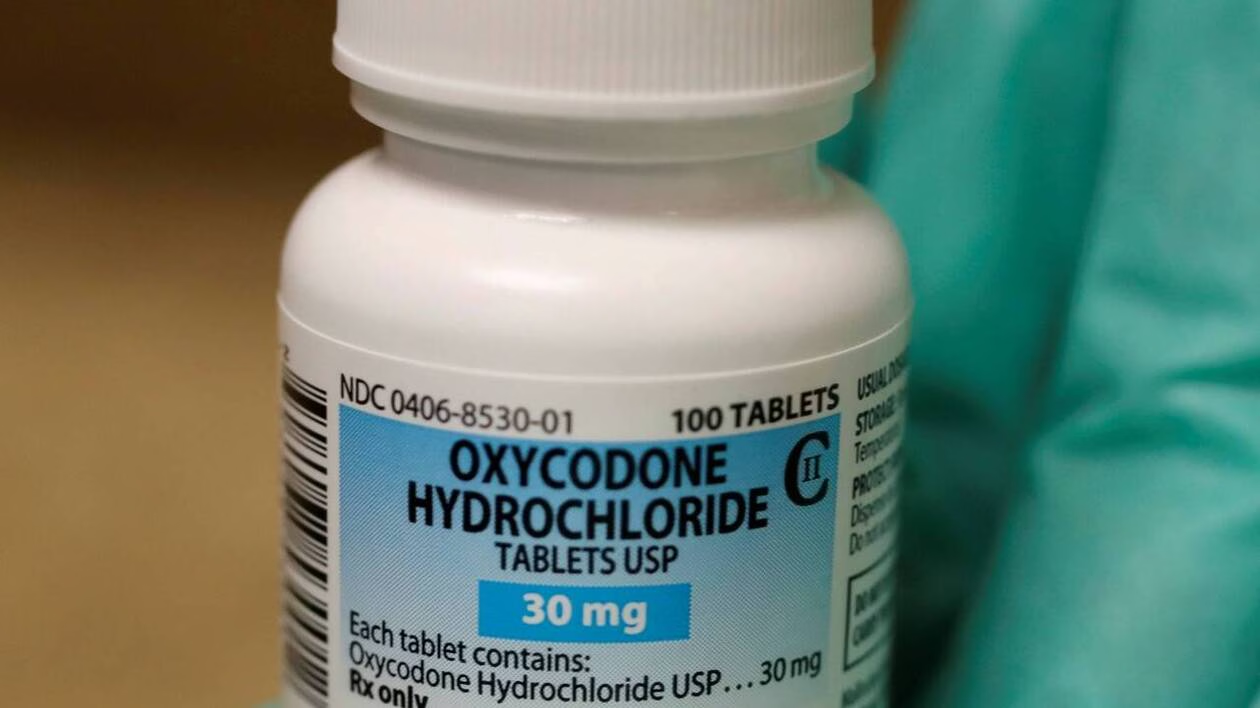
💊 What Is Oxycodone?
A Powerful Opioid Painkiller with High Risk and Responsibility
🔍 Introduction to Oxycodone
Oxycodone is a prescription opioid analgesic used to treat moderate to severe pain. It works by blocking pain signals in the brain and spinal cord and is commonly prescribed for injury recovery, post-surgical pain, and chronic pain conditions like cancer.
Though medically valuable, oxycodone has a high potential for abuse, dependence, and overdose, especially when misused.
⚗️ What Is Oxycodone Made From?
Oxycodone is synthesized from thebaine, a chemical found in the opium poppy. It is part of the semi-synthetic opioid class, related to morphine, heroin, and codeine.
💊 Oxycodone Brand Names & Forms
Oxycodone is sold under various brand names and formulations, including:
Common Brand Names:
-
OxyContin (extended-release)
-
Roxicodone (immediate-release)
-
Percocet (oxycodone + acetaminophen)
-
Endocet, OxyNorm, Xtampza ER
Forms Available:
-
Tablets (5 mg to 80 mg)
-
Capsules
-
Oral solutions
-
Extended-release formulations
🕒 Immediate-release forms last 4–6 hours
🕕 Extended-release forms last up to 12 hours or more
🎯 What Is Oxycodone Used For?
Oxycodone is prescribed for:
-
Post-operative pain
-
Severe back or joint pain
-
Cancer-related pain
-
Chronic injuries or degenerative diseases
-
Palliative care
💡 It is not intended for minor pain or short-term use unless no alternatives are effective.
✨ Effects of Oxycodone
Therapeutic Effects:
-
Pain relief
-
Relaxation and calmness
-
Reduction in anxiety caused by pain
-
Improved mobility in chronic pain patients
Recreational or Misused Effects:
-
Euphoria
-
Intense relaxation
-
Drowsiness or “nodding off”
-
Warm body sensation
⚠️ These effects are what make it attractive for abuse.
⚠️ Side Effects & Risks
Common Side Effects:
-
Drowsiness
-
Nausea or vomiting
-
Constipation
-
Light-headedness
-
Dry mouth
-
Mood changes
Serious Risks:
-
Respiratory depression (slow or stopped breathing)
-
Addiction and dependence
-
Overdose — especially when mixed with alcohol, benzodiazepines, or other opioids
-
Seizures, coma, or death
🔗 CDC: Opioid Overdose Prevention
💣 Oxycodone Addiction and Withdrawal
Oxycodone is a Schedule II controlled substance due to its high abuse and addiction potential.
Signs of Oxycodone Addiction:
-
Craving the drug
-
Taking higher doses than prescribed
-
Lying or doctor shopping for refills
-
Neglecting responsibilities
-
Withdrawal symptoms when not using
Withdrawal Symptoms:
-
Anxiety or restlessness
-
Sweating and chills
-
Nausea and vomiting
-
Muscle aches and insomnia
-
Severe drug cravings
Withdrawal can begin 6–12 hours after the last dose and may last a week or more, depending on usage level.
🧠 Oxycodone vs Other Opioids
| Drug | Strength | Duration | Risk of Addiction |
|---|---|---|---|
| Oxycodone | Moderate–High | 4–12 hours | High |
| Hydrocodone | Moderate | 4–6 hours | Moderate–High |
| Morphine | High | 4–12 hours | High |
| Fentanyl | Very High | 2–3 hours (IV), 72 hrs (patch) | Extremely High |
| Codeine | Low | 3–6 hours | Moderate |
⚖️ Legal Status of Oxycodone
| Country | Legal Status |
|---|---|
| USA | Schedule II (Prescription only) |
| UK | Class A, Prescription only |
| Canada | Schedule I controlled drug |
| Australia | Schedule 8 (Controlled) |
| Germany | Prescription only under narcotics law |
🚫 Illegal possession or distribution without a prescription carries severe penalties, including jail time.
🚑 Overdose Symptoms and Emergency Signs
An oxycodone overdose is a medical emergency.
Symptoms include:
-
Pinpoint pupils
-
Blue lips or fingernails
-
Loss of consciousness
-
Slow or stopped breathing
-
No response to stimuli
What to Do:
-
Call 911 or local emergency services
-
Administer naloxone (Narcan) if available
-
Do not leave the person alone
🔐 How to Use Oxycodone Safely
-
Always follow your doctor’s instructions
-
Avoid alcohol or other sedatives
-
Do not crush or chew extended-release tablets
-
Store securely, away from children and others
-
Dispose of unused medication properly
📦 Oxycodone and the Opioid Epidemic
Oxycodone played a major role in the opioid crisis, particularly in the U.S., where millions became addicted after being prescribed it for pain.
Pharmaceutical companies (notably Purdue Pharma) were sued for aggressively marketing OxyContin while downplaying its addictive potential.
🧘 Alternatives to Oxycodone
If you’re concerned about addiction or side effects, ask your doctor about:
-
NSAIDs (ibuprofen, naproxen)
-
Acetaminophen (Tylenol)
-
Gabapentin or pregabalin for nerve pain
-
Physical therapy and mindfulness therapy
🧾 Summary: Oxycodone at a Glance
| Attribute | Details |
|---|---|
| Generic Name | Oxycodone |
| Drug Class | Opioid analgesic |
| Use | Moderate-to-severe pain |
| Forms | IR, ER tablets, liquid |
| Legal Status | Prescription-only, controlled |
| Abuse Risk | High |
| Overdose Risk | High (especially with other sedatives) |
| Withdrawal | Yes, physically and mentally challenging |
🙏 Final Thoughts
Oxycodone is a potent painkiller that can be life-changing for patients with severe pain. But its power comes with serious responsibility. Used improperly, it can lead to addiction, overdose, or death.
“Relief should never come at the cost of your life. If you’re struggling with opioids, you’re not alone — help is available.”


Michael crakes –
This isn’t just a website—it’s a journey of the soul
John –
I see the world differently after what I learned here.and ordering their stuff
Robert –
Package arrived today❤️